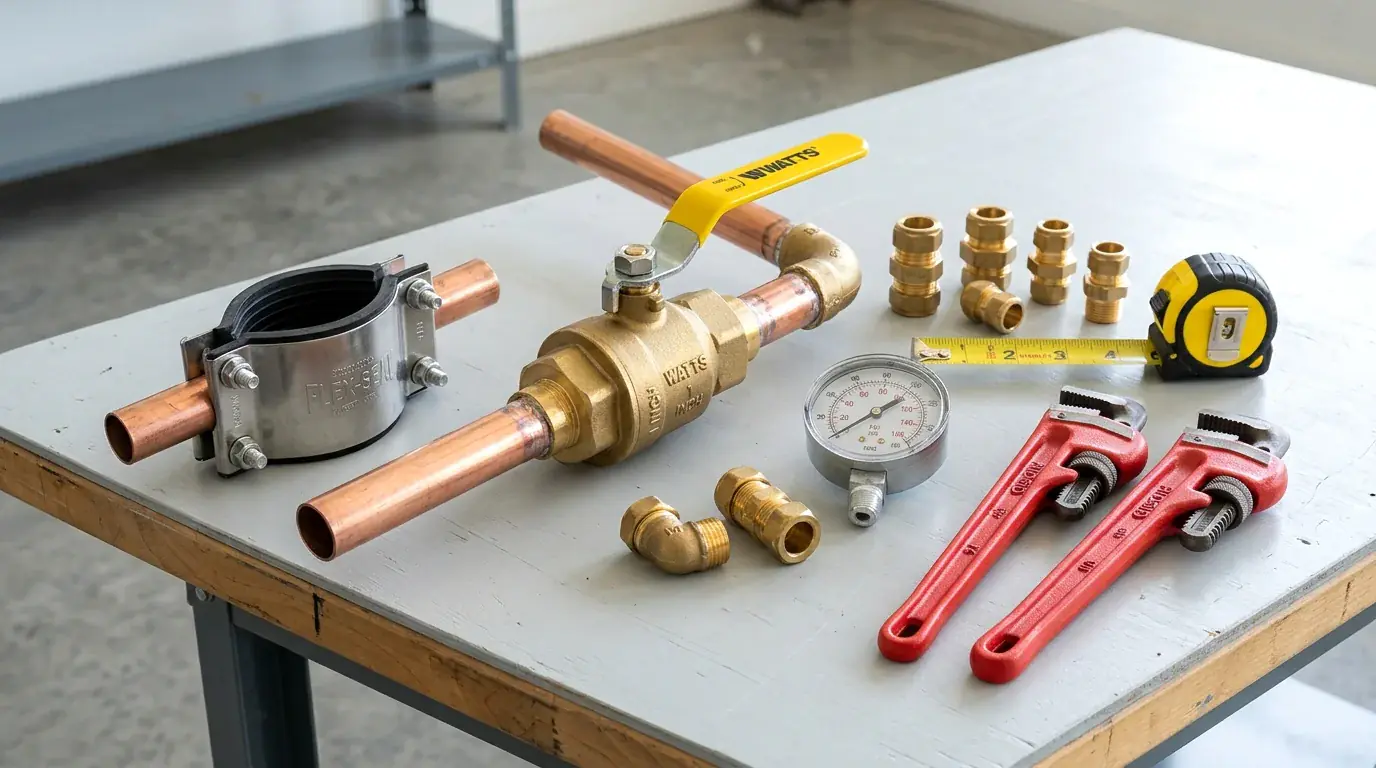
Dripping faucets, constantly running toilets, and failing shutoff valves waste thousands of gallons of treated water annually and cause slow, hidden moisture damage inside vanities and subfloors. Mineral scale, degraded rubber flappers, and scored ceramic cartridges prevent tight seals, leading to persistent leaks and annoying hydraulic hissing. Plumbers arrive with precision diagnostic gauges, puller tools, and factory replacement parts to restore reliable fixture performance. Technicians evaluate incoming line pressure, inspect shutoff valves, service aerators, and calibrate scald-guard balancing spools. Whether rebuilding a toilet tank assembly or installing a modern brass faucet, plumbers ensure leak-free operation conforming with conservation standards.
Common Plumbing Symptoms Requiring Attention
Observed Issue: Toilet fill valves run intermittently or hiss continuously throughout the night.
Observed Issue: Sink faucets drip steadily from spouts or seep water around handle bases.
Observed Issue: Water pressure drops significantly at single fixtures while remaining normal elsewhere.
Observed Issue: Shower mixing valves produce erratic temperatures or leak behind tiled surrounds.
Observed Issue: Under-sink quarter-turn shutoff valves seize or leak when turned.
Intermittent running, often called ghost flushing, happens when water slowly seeps from the tank into the bowl past a warped flapper or corroded flush valve seat. As the tank water level drops, the fill valve opens automatically to replenish the reservoir, cycling continuously.
Modern faucets utilize paired polished ceramic discs with precision cutouts that slide across each other to control water flow. Microscopic mineral granules or calcium scale scratch these mirror-finished surfaces, allowing pressurized water to seep through the closed valve assembly.
Isolated pressure drops at one fixture typically stem from clogged faucet aerators packed with mineral sediment, partially seized supply stops, or blocked internal cartridge channels. Upstream municipal pressure remains unaffected while calcium deposits choke local fixture orifices.
Hard water minerals coat internal diaphragm seals and float arms, preventing fill valves from shutting off completely when water reaches the target fill line. Excess water spills down the emergency overflow tube directly into the bowl, wasting hundreds of gallons daily.
Fast-closing solenoid valves create sudden hydraulic shockwaves when rapidly stopping high-velocity moving water. Installing water hammer arrestors containing pressurized air chambers dampens this kinetic energy, protecting copper joints and valve bodies from destructive vibration fatigue.
Signs of a failed wax seal include water pooling around the toilet base after flushing, soft or spongy flooring surrounding the fixture, sewer odors in the bathroom, or damp water stains appearing on ceilings directly below upstairs bathrooms.
Plumbing technicians shut off main water supplies, relieve line pressure, and carefully remove corroded compression sleeves or solder fittings using specialized ferrule puller tools. Installing durable quarter-turn ball valves ensures immediate, leak-free shutoff capability for future maintenance.
Adjusting or replacing a failing pressure reducing valve (PRV) restores balanced distribution pressure between fifty and sixty-five PSI across all fixtures. Excessive incoming pressure above eighty PSI strains faucet cartridges and toilet valves, while defective PRVs throttle household volume down to a trickle.
Request Toilet, Faucet & Fixture Repair
Speak with our technical dispatch team for prompt diagnostic scheduling and itemized plumbing repair estimates.
Do not let minor pipe leaks turn into ruined subflooring or emergency sewer backups. Speak with our dispatchers for clear pricing and prompt technical scheduling.