Local Plumber for Fast Repairs & Pipe Fixes in Oregon
Plumbing fixtures that suddenly produce weak, trickling water flow point to failing pressure reducing valves, choked aerator screens, or concealed distribution breaches in Oregon. Inadequate volume turns simple showers into frustrating ordeals and prevents appliances like tankless water heaters and washing machines from operating properly. Balancing whole-house water volume demands thorough static and dynamic pressure diagnostics across every domestic branch line and fixture connection. Technicians evaluate municipal main static pressure against domestic plumbing fixtures to prevent premature catastrophic component failures.
Excessive municipal inlet pressure exceeding eighty PSI destroys internal toilet flappers and ruptures flexible stainless steel supply connectors under sink vanities. Conversely, internal calcium scale encrustation chokes galvanized pipe diameters down to pencil-thin openings, severely throttling hydraulic volume whenever two plumbing fixtures operate simultaneously in different bathrooms across multi-level residences. Severe pressure spikes accelerate mechanical wear on expensive water treatment systems, reverse osmosis filters, and domestic water heating tanks.
Installing adjustable solid-brass pressure reducing valves and calibrated expansion tanks stabilizes domestic supply loops between fifty and sixty-five PSI throughout Oregon. Plumbers test main shutoff ball valves, descale fixture cartridges, and balance manifold distribution to protect delicate plumbing appliances and deliver robust, consistent water volume across every tap in the home. Calibrated pressure regulators prevent costly plumbing leaks, eliminate annoying whistling lines, and prolong the functional lifespan of every valve in the home.
Statewide Plumbing & Drain Services in Oregon
Emergency Plumbing Repair: Rapid diagnostic troubleshooting, pressurized leak isolation, emergency valve replacement, and active flood containment for residential and commercial plumbing failures.
Drain Cleaning & Hydro Jetting: High-velocity hydro jetting, precision motorized drain augering, fiber-optic camera line diagnostics, and permanent tree root extraction for residential piping.
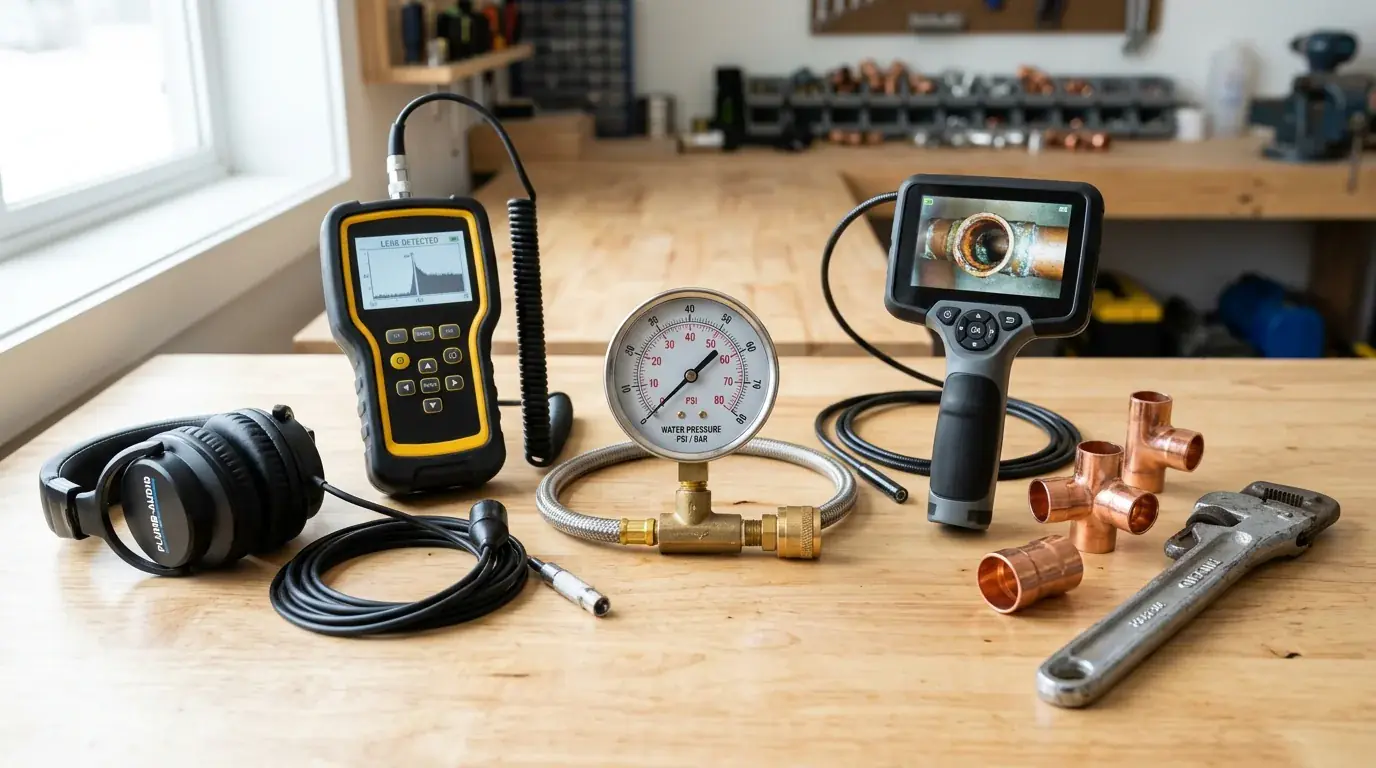
Water Leak Detection & Pipe Repair: Non-invasive acoustic leak pinpointing, thermal imaging diagnostics, under-slab line isolation, and precision copper, PEX, and CPVC piping restoration.
Water Heater Repair & Installation: Complete tank and tankless water heater diagnostics, gas valve replacement, electric heating element testing, anode rod service, and system replacements.
Sewer Line Repair & Replacement: Trenchless CIPP epoxy sewer relining, pipe-bursting lateral replacement, high-definition video camera inspection, and open-trench line repairs.
Plumbing codes stipulate that residential static water pressure must never exceed eighty PSI, as high pressure ruptures flexible washing machine hoses and accelerates water heater seam fatigue. Installing a brass pressure reducing valve directly after the main household water shutoff throttles municipal pressure down to a safe fifty-five to sixty-five PSI. Technicians calibrate the valve using an oil-dampened test gauge connected to an outdoor sillcock. Proper regulation stabilizes hydraulic stress and preserves manufacturer warranties on sensitive home appliances.
Hard food debris like fruit pits, fibrous celery, or small utensils wedge between the rotating impellers and the stationary shredder ring, causing the internal electric motor to seize. The built-in thermal overload breaker on the motor base trips within seconds to prevent coil burnouts. Homeowners should switch power off, insert a quarter-inch Allen hex wrench into the center bottom shaft socket to rock the blades free, remove the debris with tongs, and press the red reset button. If the motor continues humming without spinning, internal bearings have permanently failed.
Standard hose bibbs retain water directly behind the exterior siding, where sub-freezing temperatures burst the copper pipe casing. Installing frost-free sillcocks positions the actual valve seat eight to twelve inches inside the heated building envelope, draining residual water whenever the spigot shuts off. Property owners must disconnect garden hoses prior to the first freeze, as an attached hose prevents the sillcock from draining its interior barrel. Adding interior insulation sleeves and shutoff valves with bleeder caps provides secondary freeze defense during extended winter cold snaps.
Discontinue all indoor water usage immediately, including laundry cycles, dishwashers, and shower runs, to stop adding water volume to the blocked lateral. Uncapping an exterior cleanout releases trapped hydrostatic pressure into the yard rather than forcing sewage to overflow into indoor bathrooms. Calling a drain specialist for electronic camera inspection and mechanical snake clearing resolves the lateral stoppage before contaminated water enters the home. Technicians assess root intrusion, pipe bellies, or foreign debris blockages to restore unobstructed gravity flow to the municipal sewer.
Shutting off the main household water supply valve immediately prevents thousands of dollars in structural drywall and flooring damage. The main shutoff valve sits near the street water meter or where the main service pipe enters the basement or utility closet. Once the main valve is turned off clockwise, open cold and hot faucets on the lowest and highest floor levels to drain residual pressurized water out of the plumbing system. Turning off electricity to flooded areas at the circuit panel eliminates shock hazards while waiting for emergency dispatch.
Request a Plumber in OR
Contact our plumbing dispatch center to schedule precision troubleshooting or request itemized repair quotes.
Restore Safe, Reliable Plumbing in Your Oregon Property
Active pipe leaks and sewer lateral stoppages cause costly structural subfloor and drywall damage if left unaddressed. Contact our dispatch line for accurate pipe diagnostics and prompt plumbing repairs.