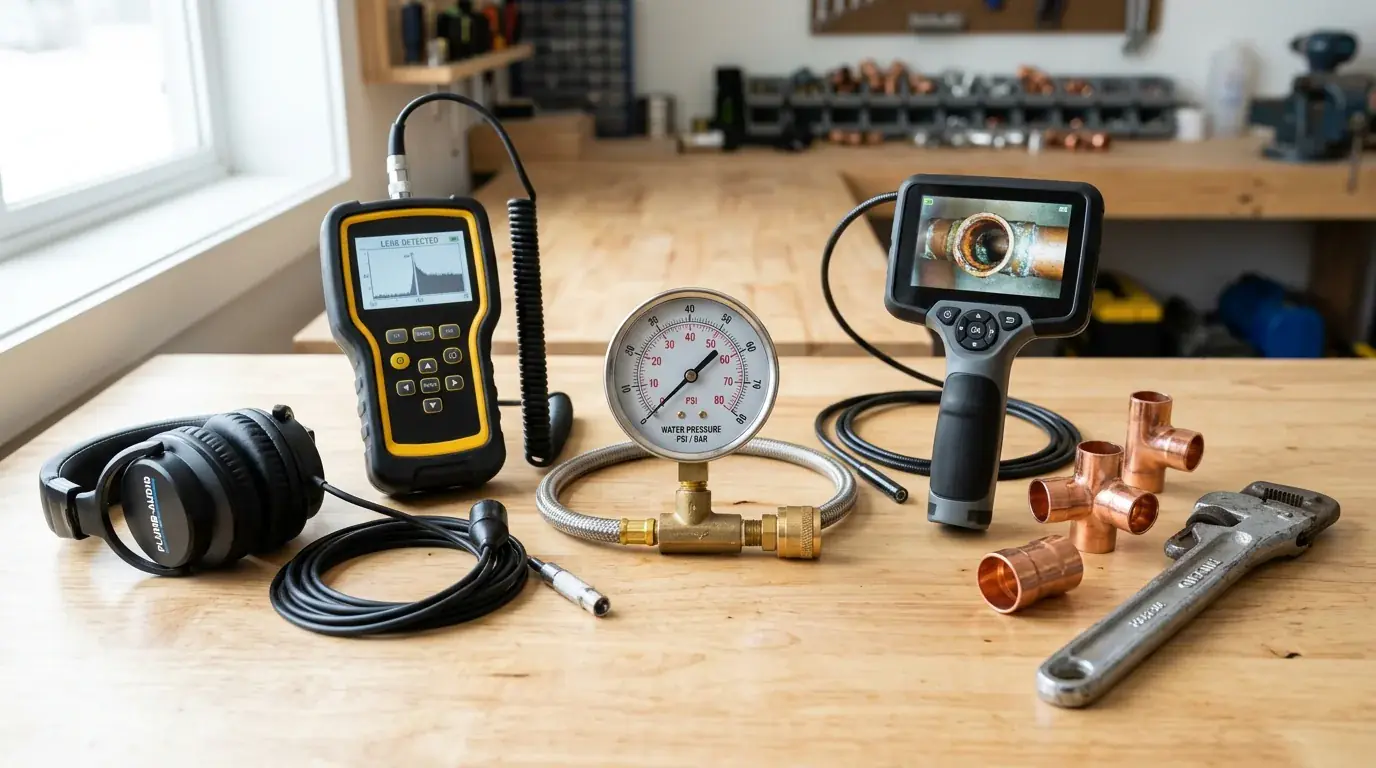
Sub-zero winter arctic blasts freeze exposed potable water pipes inside unheated crawlspaces, exterior wall chases, and exterior garages in Nevada. Water expands by nine percent upon freezing, generating extreme radial pressure that splits rigid copper walls and fractures brittle plastic fittings. Catastrophic indoor flooding occurs the moment ambient temperatures rise and frozen ice plugs thaw inside compromised pressurized pipes. Sub-freezing conditions rapidly compromise exterior hose bibbs and crawlway plumbing that lack adequate thermal insulation or interior shutoff valves.
Rapid mitigation requires locating the frozen pipe section immediately, relieving downstream hydraulic tension by opening faucets, and applying controlled thermal heat without open flames. Homeowners who attempt improper torch thawing risk igniting dry wall framing or fracturing cold pipe metal through sudden, uneven thermal expansion shocks that rupture fragile copper joints. Thawing frozen water pipes demands disciplined temperature management to avoid thermal shock fractures that crack cold brass or brittle copper joints.
Emergency plumbing teams utilize safe electrical resistance thawing gear and cryogenic freeze kits to isolate ruptures across Nevada homes. Technicians splice in heavy-gauge copper couplings, replace split fittings with freeze-resilient PEX piping, and install closed-cell elastomeric pipe insulation to protect vulnerable plumbing branches from severe future winter freezes. Technicians pressure-test the restored supply branch under operating conditions to verify zero hairline splits remain before restoring full household water service.
Statewide Plumbing & Drain Services in Nevada
Emergency Plumbing Repair: Rapid diagnostic troubleshooting, pressurized leak isolation, emergency valve replacement, and active flood containment for residential and commercial plumbing failures.
Drain Cleaning & Hydro Jetting: High-velocity hydro jetting, precision motorized drain augering, fiber-optic camera line diagnostics, and permanent tree root extraction for residential piping.
Water Leak Detection & Pipe Repair: Non-invasive acoustic leak pinpointing, thermal imaging diagnostics, under-slab line isolation, and precision copper, PEX, and CPVC piping restoration.
Water Heater Repair & Installation: Complete tank and tankless water heater diagnostics, gas valve replacement, electric heating element testing, anode rod service, and system replacements.
Sewer Line Repair & Replacement: Trenchless CIPP epoxy sewer relining, pipe-bursting lateral replacement, high-definition video camera inspection, and open-trench line repairs.
Drying trap seals or a compromised wax ring seal beneath the porcelain toilet base allow sewer gas to bypass plumbing barriers. When toilet anchor bolts loosen, the toilet rocks slightly, crushing the malleable wax gasket and breaking the airtight seal against the closet flange. Pouring water down rarely used floor drains often restores an evaporated trap barrier, but persistent odors require pulling the toilet, scraping off the failed wax, and installing a reinforced elastomeric seal. Technicians also smoke-test the drain system if hidden vent pipe separations exist inside interior wall cavities.
Slow leaks past a deteriorated rubber flapper valve allow tank water to trickle steadily into the bowl until the float drops enough to trigger the fill valve. Mineral deposits on the flush valve seat or an improperly adjusted flapper chain that catches on the trip lever produce the same phantom flush. Placing several drops of red food coloring into the upper tank reveals the leak if tinted water bleeds into the lower bowl within ten minutes without flushing. Replacing the flapper and cleaning calcium crust off the flush valve seat permanently stops this water-wasting cycle.
Standard hose bibbs retain water directly behind the exterior siding, where sub-freezing temperatures burst the copper pipe casing. Installing frost-free sillcocks positions the actual valve seat eight to twelve inches inside the heated building envelope, draining residual water whenever the spigot shuts off. Property owners must disconnect garden hoses prior to the first freeze, as an attached hose prevents the sillcock from draining its interior barrel. Adding interior insulation sleeves and shutoff valves with bleeder caps provides secondary freeze defense during extended winter cold snaps.
Continuous meter movement without open fixtures indicates an active, pressurized supply pipe leak hidden inside walls or beneath concrete foundation slabs. A silent flapper leak inside a toilet tank can waste two hundred gallons daily, but if toilets are dry, underground copper lines or buried irrigation mains are likely leaking. Locating the underground rupture requires electronic acoustic listening discs and thermal imaging equipment rather than knocking down random drywall sections. Shut off individual fixture stops sequentially to isolate whether the leak resides inside the dwelling or along the exterior service line.
Municipal main maintenance or nearby hydrant flushing stirs up harmless iron oxide rust and sediment deposits that settle inside aging cast iron city mains. Avoid washing white laundry or running dishwashers while tap water appears discolored, as rust permanently stains fabrics. Running an outdoor garden hose or bathtub cold tap for ten to fifteen minutes generally flushes the supply line clear of dislodged silt and iron sediment. If discoloration persists beyond twenty-four hours, older galvanized domestic pipes inside your home may be actively flaking rust.
Request a Plumber in NV
Contact our plumbing dispatch center to schedule precision troubleshooting or request itemized repair quotes.
Restore Safe, Reliable Plumbing in Your Nevada Property
Active pipe leaks and sewer lateral stoppages cause costly structural subfloor and drywall damage if left unaddressed. Contact our dispatch line for accurate pipe diagnostics and prompt plumbing repairs.