Professional Plumber in Mound, MN
Water pooling beneath walls, gurgling shower drains, and backing-up toilets require prompt diagnostic troubleshooting. Skilled plumbers test water line pressure, clear dense root clogs, and pinpoint underground leaks across Mound to protect your plumbing infrastructure.
Emergency Plumber & Fast Pipe Repair in Mound
Calcified mineral sediment settling at the bottom of residential water heaters traps intense burner heat and causes loud popping noises in Mound. Hard water minerals bake into dense calcium layers that insulate water from heating elements, driving energy consumption upward and fatiguing the inner porcelain glass liner until the tank jacket ruptures and floods utility closets. Dense calcium sediment blankets over heating elements insulate water from heat transfer, forcing electric burners to run continuously and driving energy costs.
Operating an unserviced water heater atop thick sediment beds forces heating elements to overheat and burn out prematurely during peak morning showers. When internal temperatures soar past safe operating thresholds, the temperature and pressure relief valve discharges scalding water, signaling dangerous hydraulic over-pressurization within the domestic hot loop that threatens household safety. Excessive bottom sediment buildup traps superheated steam pockets that violently erupt, creating severe thermal fatigue across the porcelain-lined steel tank jacket.
Systematic plumbing maintenance involves flushing accumulated calcium strata, replacing depleted magnesium anode rods, and testing safety relief springs in Mound. Technicians measure heating element resistance with digital ohmmeters and calibrate thermal expansion tanks, extending equipment longevity and ensuring continuous, energy-efficient hot water delivery across all residential fixtures. Routine tank flushes and sacrificial anode rod replacements preserve internal steel linings, quiet noisy heating cycles, and maximize hot water delivery.
Plumbing & Drain Services in Mound
- Emergency Plumbing Repair: Rapid diagnostic troubleshooting, pressurized leak isolation, emergency valve replacement, and active flood containment for residential and commercial plumbing failures.
- Drain Cleaning & Hydro Jetting: High-velocity hydro jetting, precision motorized drain augering, fiber-optic camera line diagnostics, and permanent tree root extraction for residential piping.
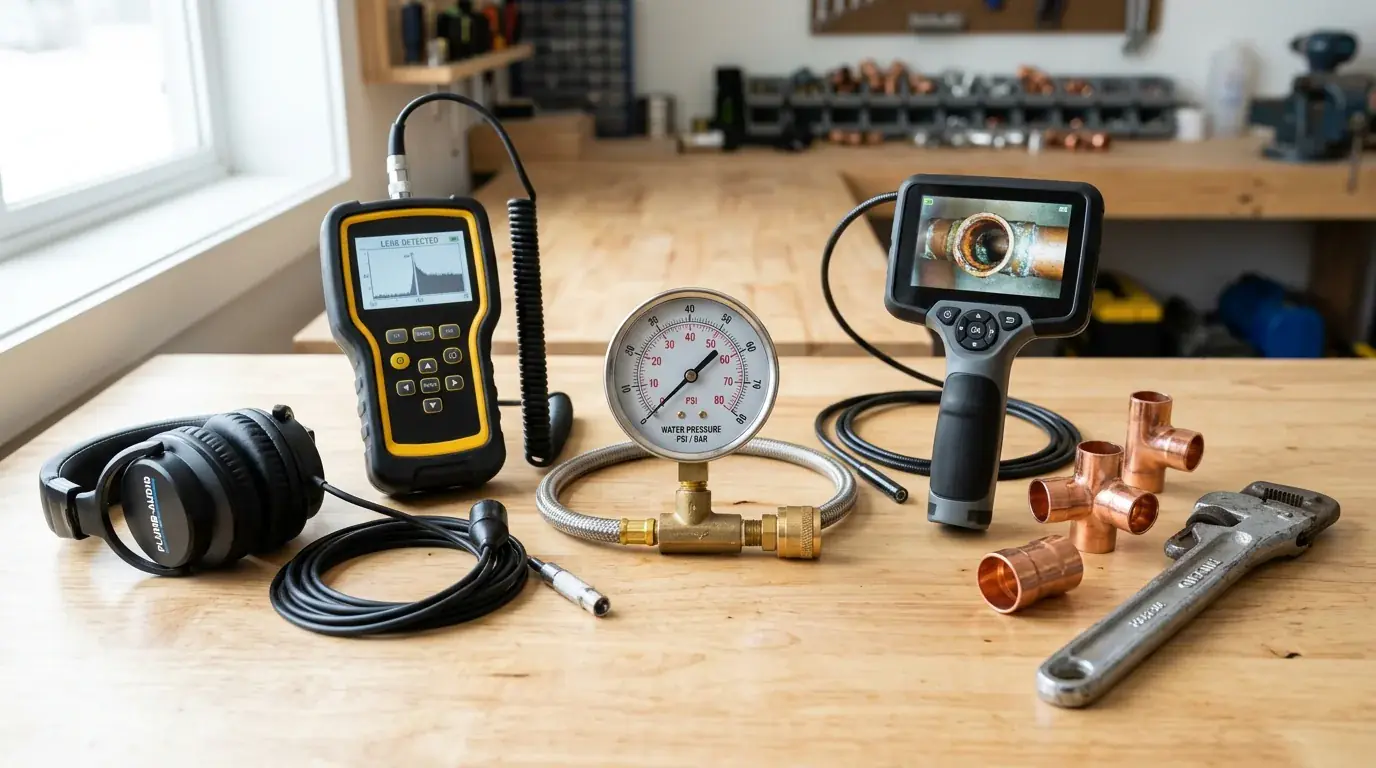
- Water Leak Detection & Pipe Repair: Non-invasive acoustic leak pinpointing, thermal imaging diagnostics, under-slab line isolation, and precision copper, PEX, and CPVC piping restoration.
- Water Heater Repair & Installation: Complete tank and tankless water heater diagnostics, gas valve replacement, electric heating element testing, anode rod service, and system replacements.
- Sewer Line Repair & Replacement: Trenchless CIPP epoxy sewer relining, pipe-bursting lateral replacement, high-definition video camera inspection, and open-trench line repairs.
- Toilet, Faucet & Fixture Repair: Complete toilet rebuilding, ceramic disc faucet cartridge replacement, shower valve calibration, angle stop replacement, and fixture upgrades.
How Our Plumbing Service Works
Every water pressure evaluation starts by attaching calibrated liquid-filled pressure gauges to outdoor hose bibbs and indoor laundry hookups across Mound. Technicians measure static municipal pressure and monitor dynamic pressure drops when multiple high-demand fixtures run simultaneously to detect underlying supply restrictions. Accurate static and dynamic pressure diagnostics identify dangerous pressure spikes that stress copper joints and shorten the life of water heating appliances.
Upon diagnosing pressure spikes or volume drops, the plumber tests the municipal pressure reducing valve and inspects internal strainers for sediment blockage. Installing an adjustable brass PRV stabilizes household water pressure within code limits, protecting appliances and stopping water hammer banging permanently throughout the home. Regulating municipal water pressure shields whole-house plumbing infrastructure against water hammer damage, fixture leaks, and premature appliance valve failures.
What Mound Property Owners Say
"Water pooled around the base of our hot water storage tank due to a failing temperature and pressure relief valve. The plumber tested the relief spring, confirmed our thermal expansion tank had failed internally, and replaced both components safely to keep the tank from over-pressurizing during heating cycles."
"Horrible clanking noises from our water heater tank sounded like stones tumbling inside the burner chamber during heating cycles. He explained that heavy calcium sediment was trapping steam at the bottom, thoroughly flushed out buckets of hardened mineral buildup, and restored whisper-quiet operation."
"Freezing temperatures split an exposed copper supply pipe in our unheated crawlspace during an intense arctic blast in Mound. The plumber thawed the adjoining frozen section safely, spliced in heavy-gauge copper couplings, and added closed-cell foam insulation to stop future winter freezes from bursting the line."
Plumbing Service Coverage Across Mound, MN
Plumbing FAQs in Mound
Nearby Plumbing Service in Hennepin County
Restore Safe Plumbing in Your Mound Property
Active pipe leaks and sewer lateral clogs quickly escalate into expensive structural damage if ignored. Speak with our dispatchers for timely troubleshooting and itemized pricing.