Local Plumber for Leaking Pipes & Clogs in Massachusetts
Calcified mineral sediment settling at the bottom of residential water heaters traps intense burner heat and causes loud popping noises in Massachusetts. Hard water minerals bake into dense calcium layers that insulate water from heating elements, driving energy consumption upward and fatiguing the inner porcelain glass liner until the tank jacket ruptures and floods utility closets. Dense calcium sediment blankets over heating elements insulate water from heat transfer, forcing electric burners to run continuously and driving energy costs.
Operating an unserviced water heater atop thick sediment beds forces heating elements to overheat and burn out prematurely during peak morning showers. When internal temperatures soar past safe operating thresholds, the temperature and pressure relief valve discharges scalding water, signaling dangerous hydraulic over-pressurization within the domestic hot loop that threatens household safety. Excessive bottom sediment buildup traps superheated steam pockets that violently erupt, creating severe thermal fatigue across the porcelain-lined steel tank jacket.
Systematic plumbing maintenance involves flushing accumulated calcium strata, replacing depleted magnesium anode rods, and testing safety relief springs in Massachusetts. Technicians measure heating element resistance with digital ohmmeters and calibrate thermal expansion tanks, extending equipment longevity and ensuring continuous, energy-efficient hot water delivery across all residential fixtures. Routine tank flushes and sacrificial anode rod replacements preserve internal steel linings, quiet noisy heating cycles, and maximize hot water delivery.
Statewide Plumbing & Drain Services in Massachusetts
Emergency Plumbing Repair: Rapid diagnostic troubleshooting, pressurized leak isolation, emergency valve replacement, and active flood containment for residential and commercial plumbing failures.
Drain Cleaning & Hydro Jetting: High-velocity hydro jetting, precision motorized drain augering, fiber-optic camera line diagnostics, and permanent tree root extraction for residential piping.
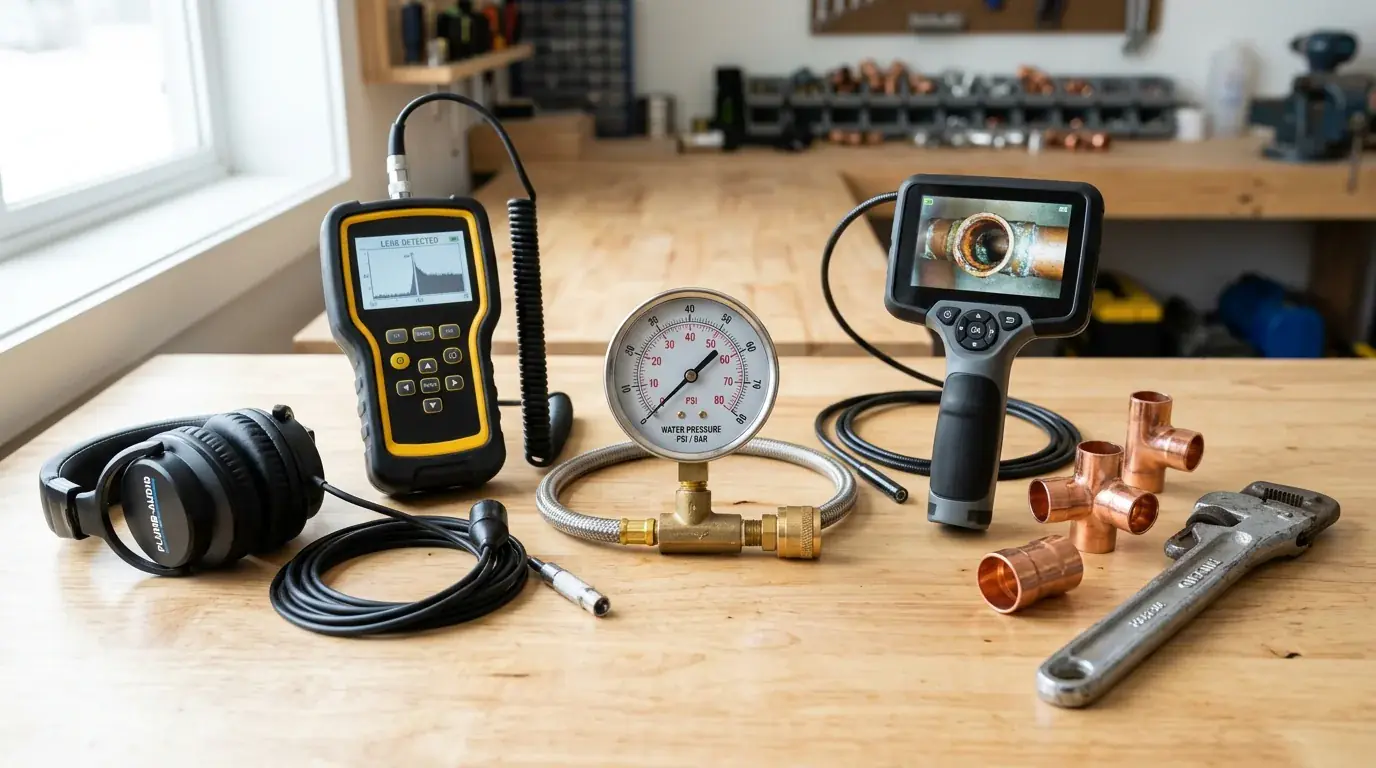
Water Leak Detection & Pipe Repair: Non-invasive acoustic leak pinpointing, thermal imaging diagnostics, under-slab line isolation, and precision copper, PEX, and CPVC piping restoration.
Water Heater Repair & Installation: Complete tank and tankless water heater diagnostics, gas valve replacement, electric heating element testing, anode rod service, and system replacements.
Sewer Line Repair & Replacement: Trenchless CIPP epoxy sewer relining, pipe-bursting lateral replacement, high-definition video camera inspection, and open-trench line repairs.
Drying trap seals or a compromised wax ring seal beneath the porcelain toilet base allow sewer gas to bypass plumbing barriers. When toilet anchor bolts loosen, the toilet rocks slightly, crushing the malleable wax gasket and breaking the airtight seal against the closet flange. Pouring water down rarely used floor drains often restores an evaporated trap barrier, but persistent odors require pulling the toilet, scraping off the failed wax, and installing a reinforced elastomeric seal. Technicians also smoke-test the drain system if hidden vent pipe separations exist inside interior wall cavities.
Shutting off the main household water supply valve immediately prevents thousands of dollars in structural drywall and flooring damage. The main shutoff valve sits near the street water meter or where the main service pipe enters the basement or utility closet. Once the main valve is turned off clockwise, open cold and hot faucets on the lowest and highest floor levels to drain residual pressurized water out of the plumbing system. Turning off electricity to flooded areas at the circuit panel eliminates shock hazards while waiting for emergency dispatch.
Technicians employ non-invasive thermal imaging cameras and acoustic frequency microphones to map temperature variations and listen for pressurized water spraying inside closed wall cavities. Moisture meters calibrate exact dampness gradients across drywall without destructive demolition. Once the acoustic signature confirms the coordinates, plumbers cut a minimal inspection opening to repair the leaking copper fitting, crimped PEX joint, or punctured drain pipe. Pinpoint detection limits drywall reconstruction expenses and allows prompt isolation of active plumbing leaks before toxic mold colonies proliferate.
Discontinue all indoor water usage immediately, including laundry cycles, dishwashers, and shower runs, to stop adding water volume to the blocked lateral. Uncapping an exterior cleanout releases trapped hydrostatic pressure into the yard rather than forcing sewage to overflow into indoor bathrooms. Calling a drain specialist for electronic camera inspection and mechanical snake clearing resolves the lateral stoppage before contaminated water enters the home. Technicians assess root intrusion, pipe bellies, or foreign debris blockages to restore unobstructed gravity flow to the municipal sewer.
Chemical reactions between anaerobic sulfate-reducing bacteria in municipal or well water supplies and standard magnesium water heater anode rods produce volatile hydrogen sulfide gas. While not toxic at low levels, the sulfur odor makes hot tap water unpleasant for showering and dishwashing. Replacing the magnesium sacrificial rod with an aluminum-zinc alloy rod and temporarily raising tank temperature sanitizes the system and stops bacterial sulfur gas generation. Plumbers flush the tank with food-grade sanitizing agents to eliminate residual bacterial colonies from plumbing supply runs.
Request a Plumber in MA
Contact our plumbing dispatch center to schedule precision troubleshooting or request itemized repair quotes.
Restore Safe, Reliable Plumbing in Your Massachusetts Property
Active pipe leaks and sewer lateral stoppages cause costly structural subfloor and drywall damage if left unaddressed. Contact our dispatch line for accurate pipe diagnostics and prompt plumbing repairs.