Local Plumber for Clogged Drains & Sewer Lines in Delaware
Calcified mineral sediment settling at the bottom of residential water heaters traps intense burner heat and causes loud popping noises in Delaware. Hard water minerals bake into dense calcium layers that insulate water from heating elements, driving energy consumption upward and fatiguing the inner porcelain glass liner until the tank jacket ruptures and floods utility closets. Dense calcium sediment blankets over heating elements insulate water from heat transfer, forcing electric burners to run continuously and driving energy costs.
Operating an unserviced water heater atop thick sediment beds forces heating elements to overheat and burn out prematurely during peak morning showers. When internal temperatures soar past safe operating thresholds, the temperature and pressure relief valve discharges scalding water, signaling dangerous hydraulic over-pressurization within the domestic hot loop that threatens household safety. Excessive bottom sediment buildup traps superheated steam pockets that violently erupt, creating severe thermal fatigue across the porcelain-lined steel tank jacket.
Systematic plumbing maintenance involves flushing accumulated calcium strata, replacing depleted magnesium anode rods, and testing safety relief springs in Delaware. Technicians measure heating element resistance with digital ohmmeters and calibrate thermal expansion tanks, extending equipment longevity and ensuring continuous, energy-efficient hot water delivery across all residential fixtures. Routine tank flushes and sacrificial anode rod replacements preserve internal steel linings, quiet noisy heating cycles, and maximize hot water delivery.
Statewide Plumbing & Drain Services in Delaware
Emergency Plumbing Repair: Rapid diagnostic troubleshooting, pressurized leak isolation, emergency valve replacement, and active flood containment for residential and commercial plumbing failures.
Drain Cleaning & Hydro Jetting: High-velocity hydro jetting, precision motorized drain augering, fiber-optic camera line diagnostics, and permanent tree root extraction for residential piping.
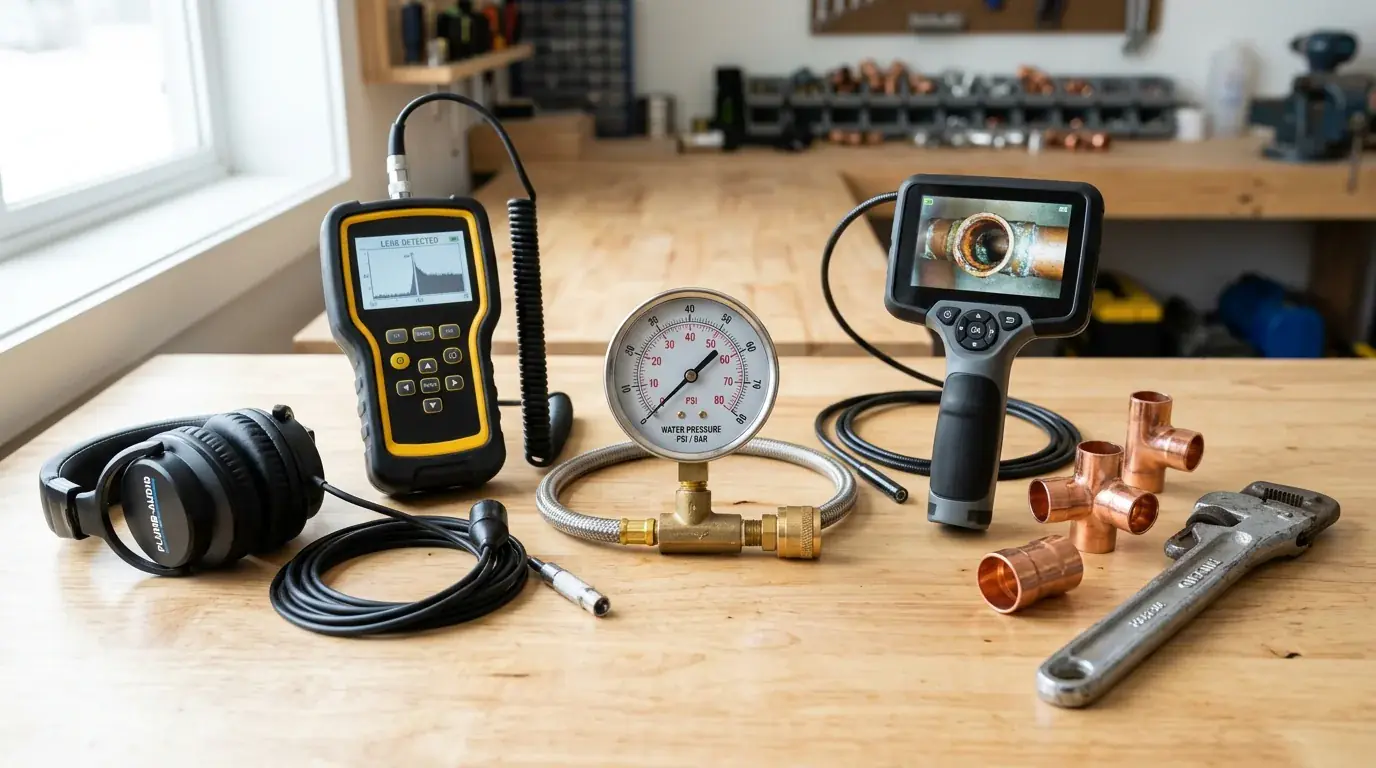
Water Leak Detection & Pipe Repair: Non-invasive acoustic leak pinpointing, thermal imaging diagnostics, under-slab line isolation, and precision copper, PEX, and CPVC piping restoration.
Water Heater Repair & Installation: Complete tank and tankless water heater diagnostics, gas valve replacement, electric heating element testing, anode rod service, and system replacements.
Sewer Line Repair & Replacement: Trenchless CIPP epoxy sewer relining, pipe-bursting lateral replacement, high-definition video camera inspection, and open-trench line repairs.
Chemical reactions between anaerobic sulfate-reducing bacteria in municipal or well water supplies and standard magnesium water heater anode rods produce volatile hydrogen sulfide gas. While not toxic at low levels, the sulfur odor makes hot tap water unpleasant for showering and dishwashing. Replacing the magnesium sacrificial rod with an aluminum-zinc alloy rod and temporarily raising tank temperature sanitizes the system and stops bacterial sulfur gas generation. Plumbers flush the tank with food-grade sanitizing agents to eliminate residual bacterial colonies from plumbing supply runs.
Downstream main sewer lateral clogs force wastewater to seek the lowest open escape point in the structure. Because shower pans sit closest to the floor level, high-volume laundry discharge cannot pass through the blocked underground line and surges back up into the shower drain. Tree roots penetrating clay joints or heavy accumulations of solidified kitchen grease are frequent causes. Clear cleanout caps outside the home cautiously, as built-up hydrostatic head pressure can spill over. A drain technician clears the main lateral with a heavy-duty mechanical root cutter and scopes the interior pipe wall.
Blocked plumbing vent stacks on your roof create a negative vacuum inside the drain lines. As tub water rushes downward, trapped air cannot vent through the roof, forcing the drainage system to suck replacement air through the nearest water seal, which is the toilet trap. Leaves, bird nests, or ice caps frequently plug vent openings. Left unresolved, this vacuum siphons trap water away entirely, permitting toxic sewer gases to seep straight into your living spaces. Technicians climb the roof to snake vent pipe stacks with motorized augers and inspect atmospheric drainage pathways.
Plumbing codes stipulate that residential static water pressure must never exceed eighty PSI, as high pressure ruptures flexible washing machine hoses and accelerates water heater seam fatigue. Installing a brass pressure reducing valve directly after the main household water shutoff throttles municipal pressure down to a safe fifty-five to sixty-five PSI. Technicians calibrate the valve using an oil-dampened test gauge connected to an outdoor sillcock. Proper regulation stabilizes hydraulic stress and preserves manufacturer warranties on sensitive home appliances.
Internal pressure-balancing rubber seals and ceramic disc cartridges inside the shower valve body degrade from friction and mineral scale, allowing water to weep past the shutoff threshold. Replacing the small internal cartridge restores a watertight seal without cutting into shower tile or replacing the valve body behind the wall. Technicians extract the retained cartridge with a specialized puller tool, clean mineral scale from the brass housing, and seat a fresh matching cartridge. Re-greasing internal seals with silicone lubricant guarantees smooth lever operation and stops persistent dripping.
Request a Plumber in DE
Contact our plumbing dispatch center to schedule precision troubleshooting or request itemized repair quotes.
Restore Safe, Reliable Plumbing in Your Delaware Property
Active pipe leaks and sewer lateral stoppages cause costly structural subfloor and drywall damage if left unaddressed. Contact our dispatch line for accurate pipe diagnostics and prompt plumbing repairs.